
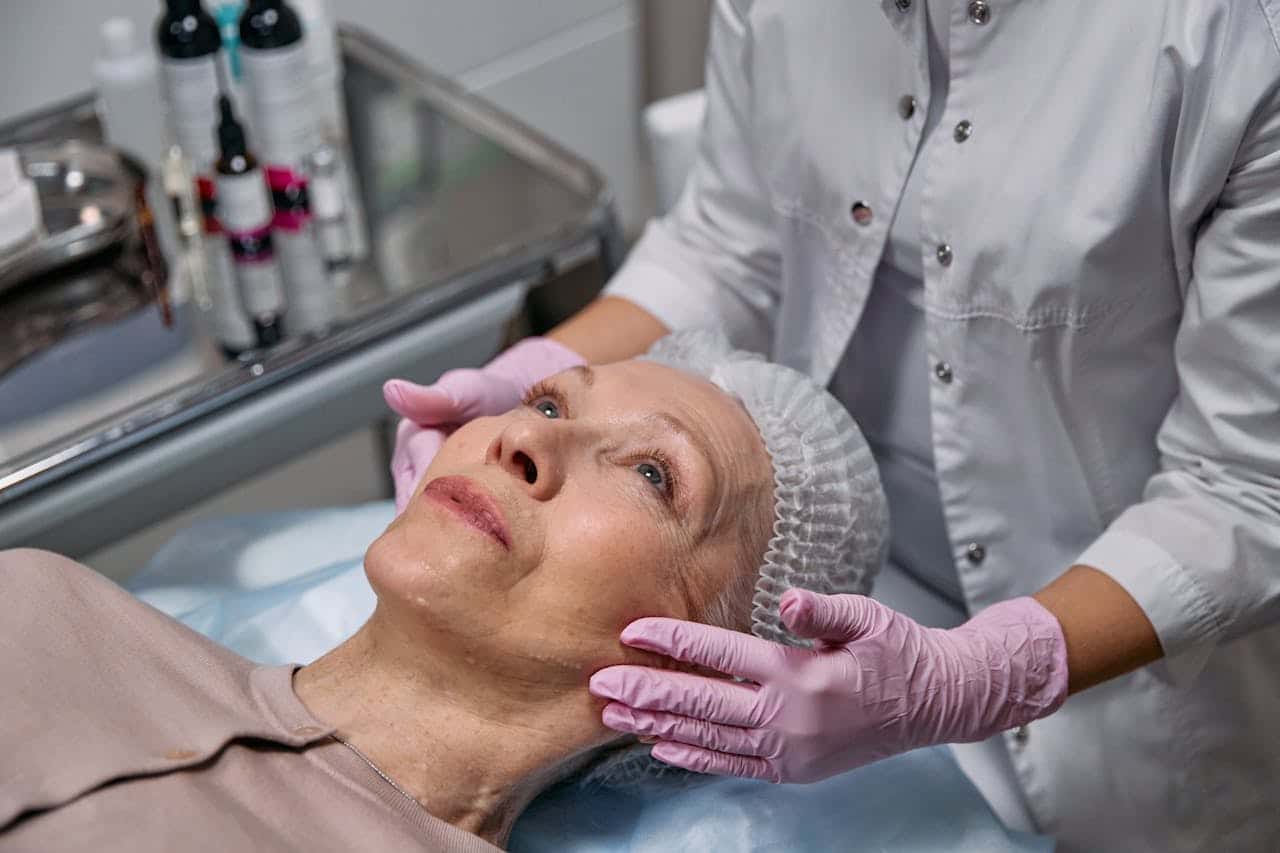
Chemical peels remain one of the most trusted ways to support clearer, brighter, and smoother skin. While they can be scheduled year-round, fall and winter create an environment that supports better results, greater comfort, and a more predictable healing process. Understanding why these seasons offer significant advantages helps clients make confident decisions about their skin routine.
Cooler Weather Supports Healing
Chemical peels temporarily increase skin sensitivity as the outermost layers shed and regenerate. Cooler months offer gentler conditions for this renewal. Lower temperatures reduce the risk of heat-induced inflammation, which can make the post-peel period feel easier and more comfortable.
Fall and winter also bring less humidity, which helps the skin maintain barrier integrity during the peeling phase. When the air contains fewer irritants and environmental stressors, the skin focuses on recovery with fewer interruptions. This supports a smoother transition from exfoliation to radiance.
Reduced Sun Exposure Enhances Treatment Safety
Sun exposure is a major consideration for any exfoliating treatment. Chemical peels reveal fresh, vulnerable skin that can be sensitive to UV damage. Fall and winter naturally involve shorter days and fewer hours of strong sunlight, creating a safer setting for post-treatment care.
Clients who struggle with pigmentation concerns often find that this seasonal timing improves outcomes. With less direct sunlight in daily routines, there is reduced risk of rebound pigmentation, which helps the fresh skin maintain its even tone. Pairing proper SPF use with the seasonal advantage leads to a brighter and clearer result.
Better Support for Dry or Dull Cold-Weather Skin
Cold temperatures often bring dryness, flaking, and uneven texture. A chemical peel can help address these concerns at their source. Peels lift away rough patches and buildup that can make the complexion look lackluster during cold months. Freshly resurfaced skin better absorbs hydrating serums and moisturizers, which strengthens results long after the initial treatment.
Many clients also experience seasonal congestion caused by heavier moisturizers, indoor heating, or makeup meant for winter coverage. A chemical peel helps refine pores and reset the skin, improving clarity during the months when complexion issues tend to be most noticeable.
Ideal Timing for Multi-Step Treatment Plans
Fall and winter create a strategic window for those building long-term treatment plans. Since chemical peels often work best in a series, back-to-back scheduling becomes easier during colder months when outdoor activity is less intense. Consistency supports deeper transformation, whether the goal involves texture smoothing, tone evening, or clarification.
This season also pairs well with other skincare treatments such as hydrating facials or collagen-supporting therapies. Many providers recommend layering treatments over several weeks to encourage maximum improvement. Starting during fall or winter gives clients a comfortable period to complete the full plan without concerns about peak UV exposure.
Helps Prepare the Skin for Spring
A seasonal peel series acts as preparation for brighter, more active months ahead. Supporting exfoliation during winter means the skin enters spring with a smoother surface and refreshed glow. Clients often notice better makeup application, enhanced hydration, and a naturally revived appearance once warmer weather arrives.
Experience personalized skincare that supports confidence through every season at Healthylooks Medspa and Wellness. Schedule your fall or winter peel to refresh texture, brighten tone, and renew your complexion with expert guidance and advanced treatments designed for lasting radiance and comfort.


